Fire risk in greasy kitchen extract systems
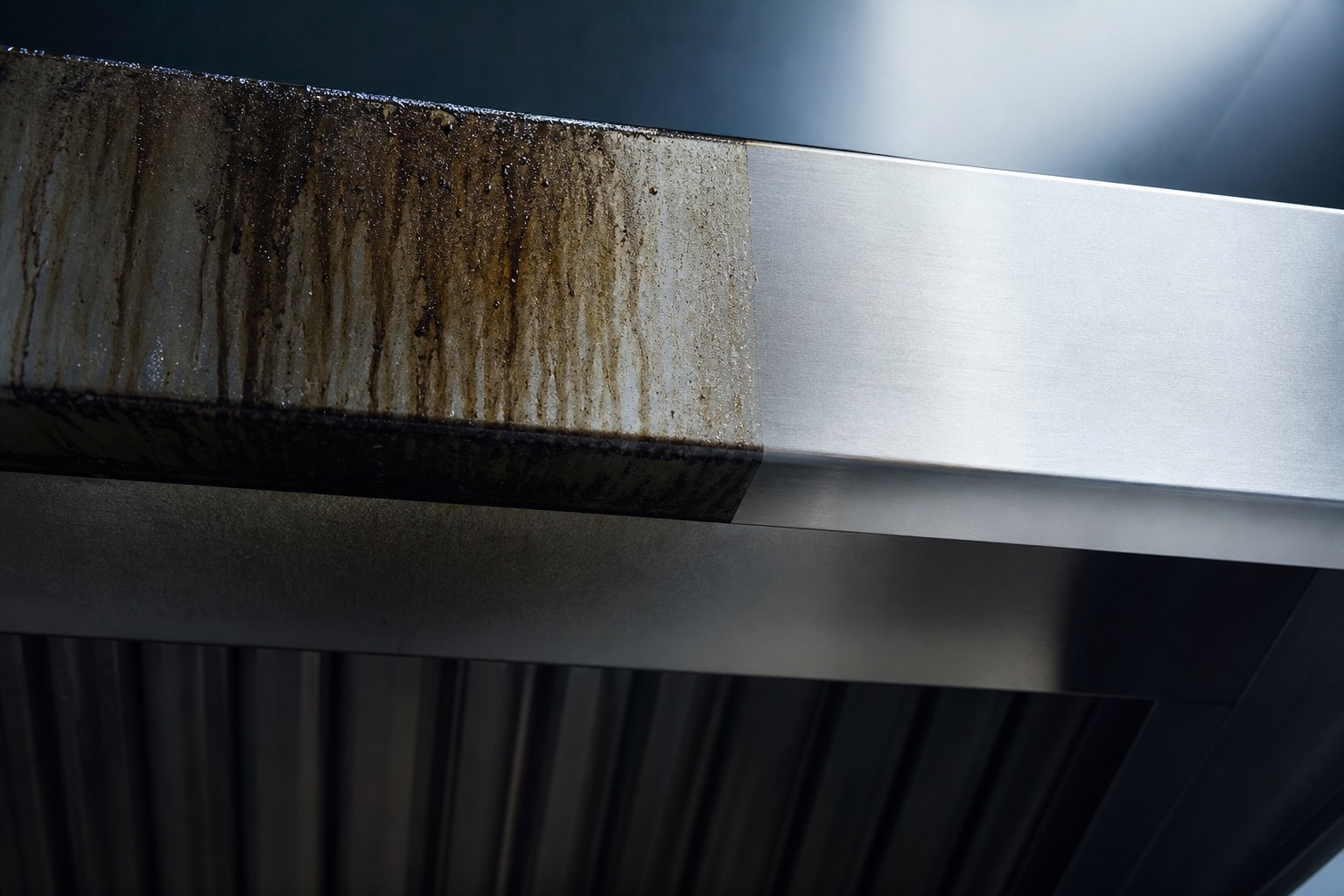
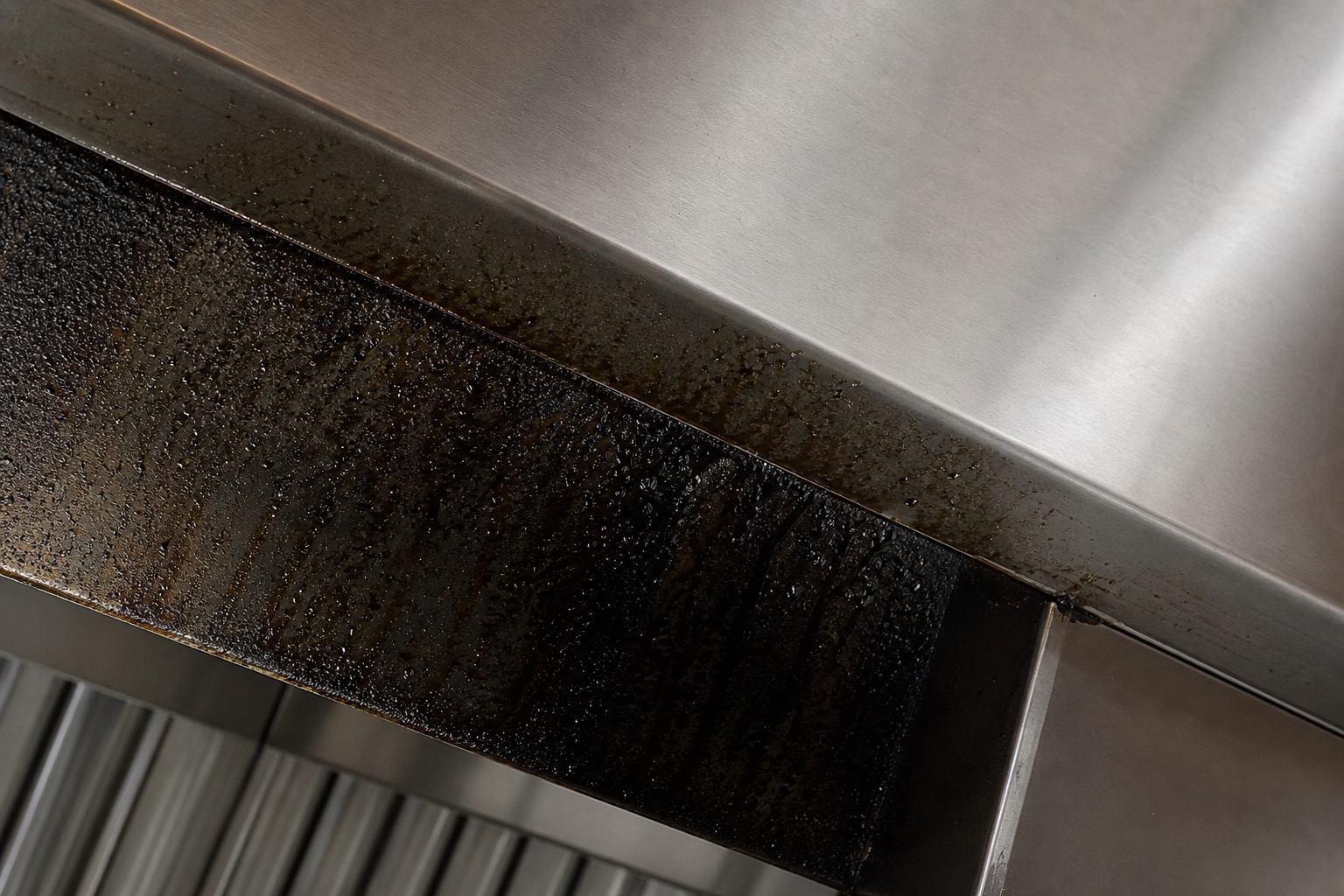
Kitchen fires rarely start because someone forgot to mop the floor. Grease in the extract creates a fuel path from the cooking surface into canopy, duct, and fan. Once lit, that path can carry fire through the building fabric.
Where grease becomes fuel
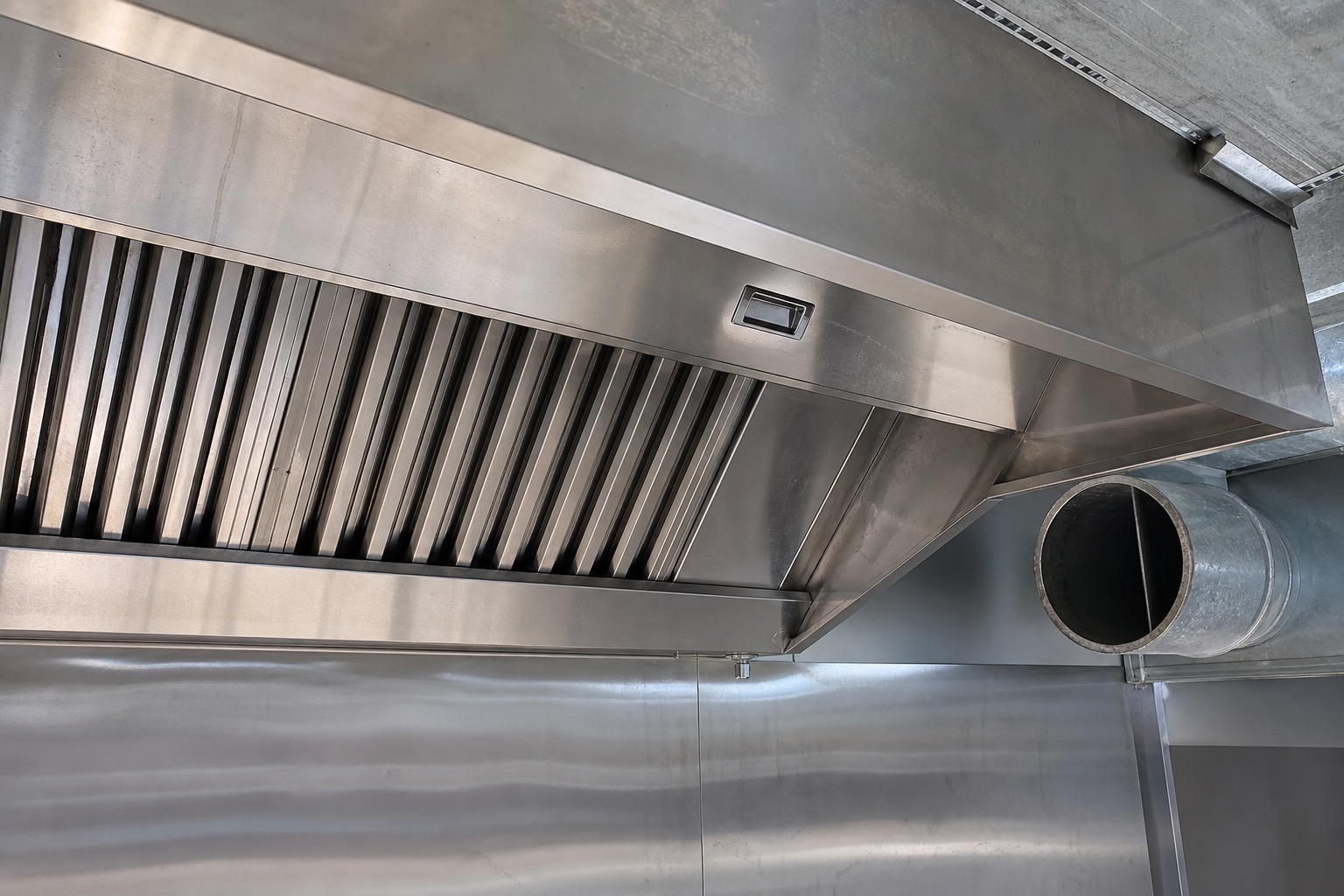
- Filter faces and canopy internals
- Horizontal duct runs above ceilings
- Vertical risers and bends
- Fan blades, housings, and discharge points
A shiny faceplate does not mean the system is safe. The risk sits on the surfaces you cannot see from the pass.
What coastal kitchens should do
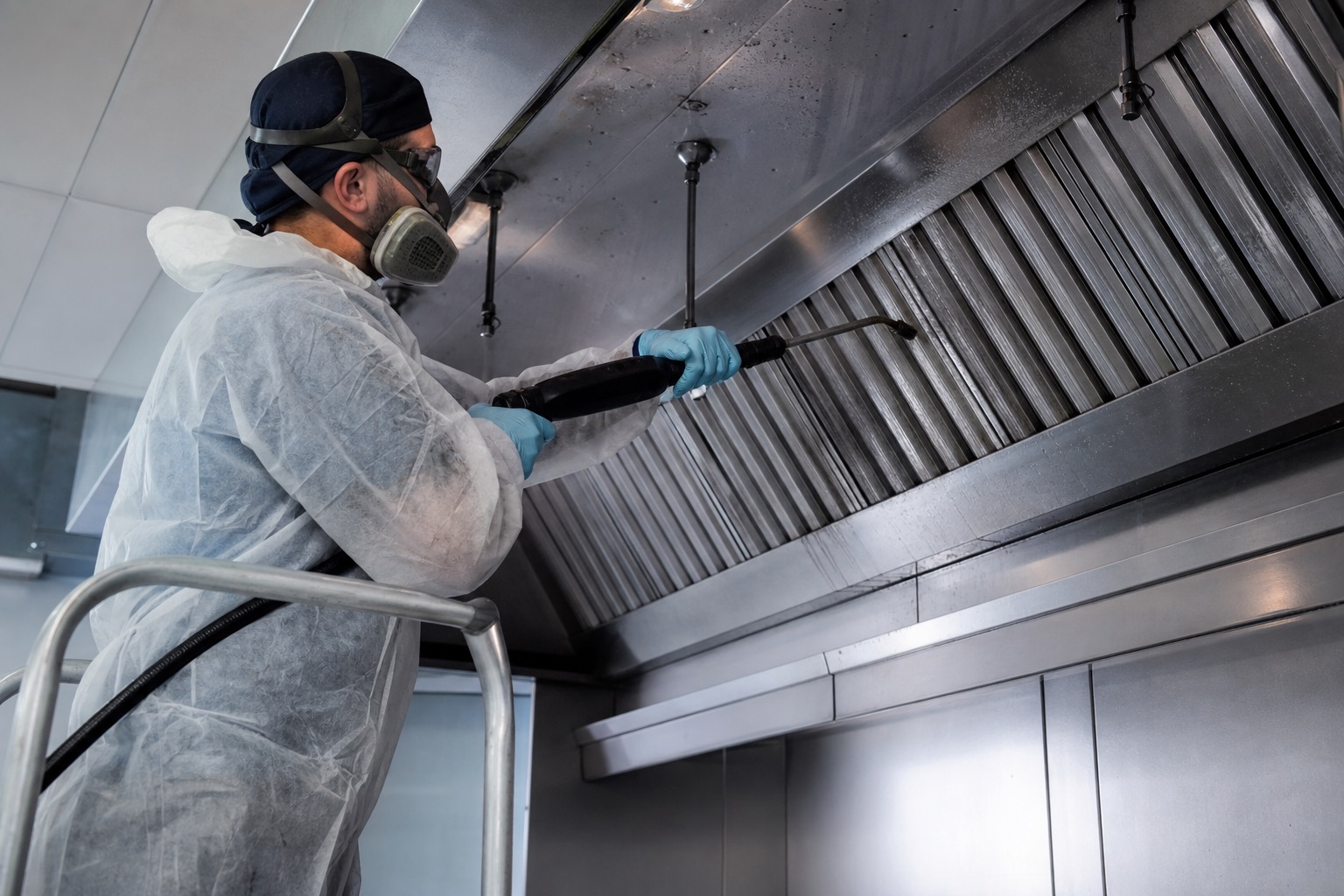
Restaurants, takeaways, hotels, and park outlets along the Lincolnshire coast cook hard through the season. That grease load needs a planned clean — not a panic wipe after a scare. See TR19 kitchen extract cleaning and local coverage on the Lincolnshire Coast hub.
Insurers and fire risk assessments often ask for evidence of extract cleaning. A report and certificate after a proper clean answers that question better than a verbal “we wiped it last month.”
Practical steps
- Survey the extract — know canopy, duct length, and access
- Clean to the agreed scope — canopy through fan where required
- Keep the paperwork — dates, scope, and condition notes
- Set the next visit to cooking load, not guesswork
This is not scare marketing. Grease is fuel. Remove it on a programme that matches how you cook, then book a TR19 clean before deposits thicken again.